Why choose us?
Making a contribution to creating a better world by implementing sustainability principles, guidelines, and standard

https://tisholdings.co.za https://tisholdings.blog GRC AUTOMATION Governance, Risk, and Compliance (GRC) Automation refers to the use of technology to streamline and enhance the management of governance, risk, and compliance processes within an organization. Here’s a detailed overview of GRC automation: Key Benefits of GRC Automation Increased Efficiency: Automates repetitive and time-consuming tasks, freeing up valuable resources for more strategic activities. Enhanced Accuracy: Reduces the risk of human error, ensuring that compliance and risk management processes are consistently executed with precision. Real-time Monitoring: Provides continuous oversight and real-time updates on compliance status and risk exposure. Improved Reporting: Generates comprehensive and accurate reports, making it easier to demonstrate compliance to regulatory bodies and stakeholders. Cost Savings: Reduces operational costs associated with manual compliance and risk management processes. Core Components of GRC Automation Automated Risk Assessments: Continuously identify, assess, and mitigate risks across the organization using advanced analytics and AI. Compliance Monitoring: Real-time tracking of compliance with regulatory requirements and internal policies. Policy Management: Centralized repository for managing and distributing policies, with automated workflows for updates and approvals. Incident Management: Streamlined process for logging, tracking, and resolving compliance incidents and breaches. Audit Management: Automate audit planning, execution, and reporting to ensure thorough and efficient audits. Steps to Implement GRC Automation Evaluate Your Needs: Assess your current GRC processes and identify areas where automation can bring the most value. Choose the Right Solution: Select a GRC automation platform that aligns with your organization's requirements and integrates with your existing systems. Develop a Plan: Create a detailed implementation plan, outlining the steps, timeline, and resources needed for successful deployment. Train Employees: Provide training to employees to ensure they understand how to use the new automated systems effectively. Monitor and Optimize: Continuously monitor the performance of the automated GRC processes and make adjustments as needed to optimize results.
Our Products & Services


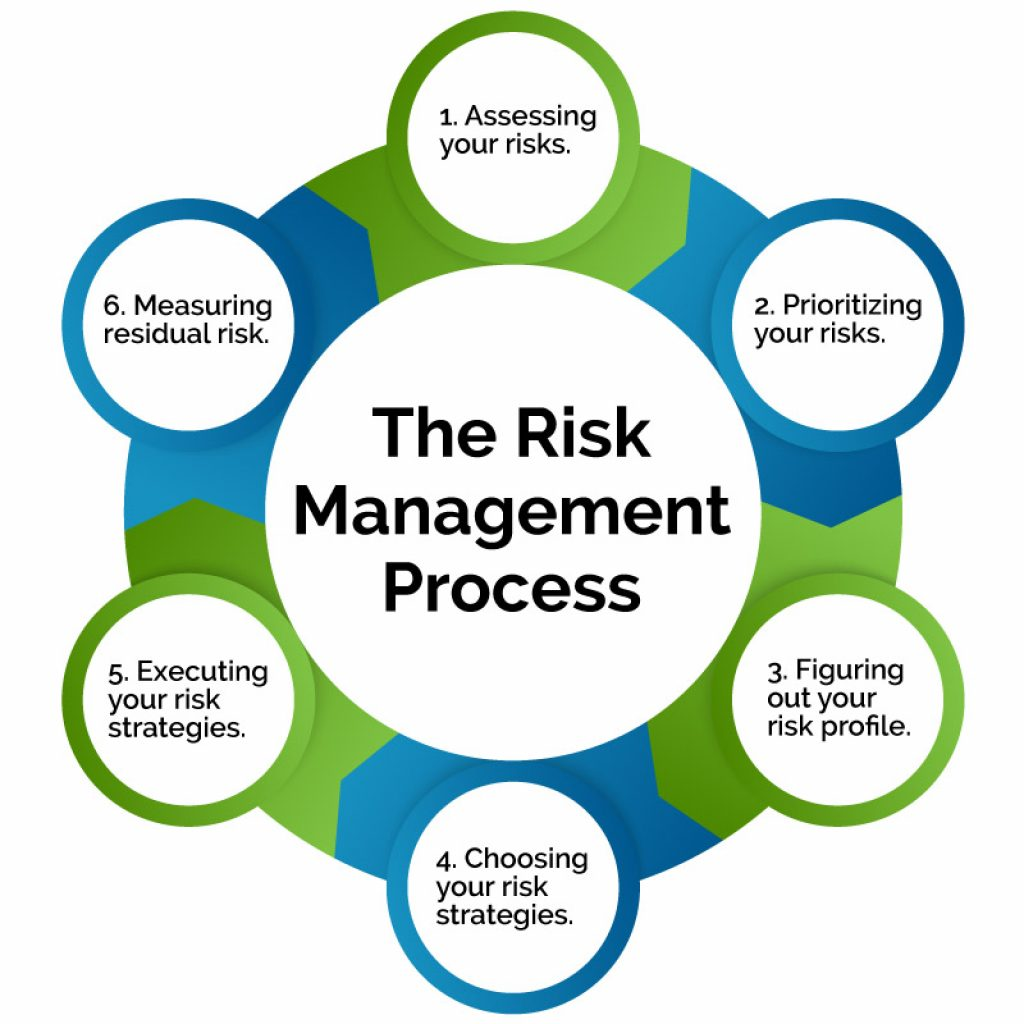
Corporate Governance, Risk Management & Compliance
Elevate Your Governance, Risk, and Compliance Transform how you manage GRC with our cutting-edge compliance automation services. 💼 Why Choose Us? - Efficiency at its Best: Eliminate manual tasks and streamline your compliance processes. - Accuracy You Can Trust: Reduce the risk of human error and ensure precise, up-to-date compliance reporting. - Cost-Effective Solutions: Save time and resources with our automated GRC tools. Our Services Include: - Automated Risk Assessments - Continuous Compliance Monitoring - Real-time Reporting & Analytics - Seamless Integration with Existing Systems Join the Future of Compliance: Stay ahead of the curve and protect your organization with our innovative GRC solutions. Trust us to handle the complexities of compliance, so you can focus on what you do best. 📞 Get in Touch Today: Tel: +27834558115 terry@tisholdings.co.za
Corporate Governance, Risk Management & Compliance
per requestElevate Your Governance, Risk, and Compliance Transform how you manage GRC with our cutting-edge compliance automation services. 💼 Why Choose Us? - Efficiency at its Best: Eliminate manual tasks and streamline your compliance processes. - Accuracy You Can Trust: Reduce the risk of human error and ensure precise, up-to-date compliance reporting. - Cost-Effective Solutions: Save time and resources with our automated GRC tools. Our Services Include: - Automated Risk Assessments - Continuous Compliance Monitoring - Real-time Reporting & Analytics - Seamless Integration with Existing Systems Join the Future of Compliance: Stay ahead of the curve and protect your organization with our innovative GRC solutions. Trust us to handle the complexities of compliance, so you can focus on what you do best. 📞 Get in Touch Today: Tel: +27834558115 terry@tisholdings.co.za
Information Security Awarness Training
Information Security Awareness Training is a program designed to educate employees and other stakeholders about the importance of protecting sensitive information and the various threats that could compromise it. Here's an overview: Objectives Raise Awareness: Ensure participants understand the significance of information security and the potential risks to their organization. Promote Best Practices: Teach practical methods to protect information, including strong password creation, safe browsing habits, and secure handling of data. Prevent Threats: Equip participants with knowledge to recognize and respond to potential security threats such as phishing, malware, and social engineering. Key Topics Covered Introduction to Information Security: Basic principles and the importance of maintaining confidentiality, integrity, and availability of information. Recognizing Threats: Common threats such as phishing, ransomware, malware, and social engineering. Password Security: Best practices for creating and managing strong, unique passwords. Email and Internet Safety: Guidelines for safe browsing, avoiding suspicious links, and identifying fraudulent emails. Data Protection: Methods for securely handling, storing, and transmitting sensitive data. Incident Response: Steps to take in the event of a security breach or suspicious activity. Benefits Reduced Risk of Breaches: Educated employees are less likely to fall victim to cyber attacks, reducing the risk of data breaches. Enhanced Compliance: Training helps organizations comply with regulatory requirements and industry standards. Improved Security Culture: Promotes a proactive security mindset among employees, fostering a culture of vigilance and responsibility. Delivery Methods Online Courses: Interactive modules and quizzes that can be completed at the participant's own pace. In-Person Workshops: Hands-on sessions led by security experts. Regular Updates: Ongoing training and refreshers to keep employees informed about the latest threats and security practices.
Information Security Awarness Training
per requestInformation Security Awareness Training is a program designed to educate employees and other stakeholders about the importance of protecting sensitive information and the various threats that could compromise it. Here's an overview: Objectives Raise Awareness: Ensure participants understand the significance of information security and the potential risks to their organization. Promote Best Practices: Teach practical methods to protect information, including strong password creation, safe browsing habits, and secure handling of data. Prevent Threats: Equip participants with knowledge to recognize and respond to potential security threats such as phishing, malware, and social engineering. Key Topics Covered Introduction to Information Security: Basic principles and the importance of maintaining confidentiality, integrity, and availability of information. Recognizing Threats: Common threats such as phishing, ransomware, malware, and social engineering. Password Security: Best practices for creating and managing strong, unique passwords. Email and Internet Safety: Guidelines for safe browsing, avoiding suspicious links, and identifying fraudulent emails. Data Protection: Methods for securely handling, storing, and transmitting sensitive data. Incident Response: Steps to take in the event of a security breach or suspicious activity. Benefits Reduced Risk of Breaches: Educated employees are less likely to fall victim to cyber attacks, reducing the risk of data breaches. Enhanced Compliance: Training helps organizations comply with regulatory requirements and industry standards. Improved Security Culture: Promotes a proactive security mindset among employees, fostering a culture of vigilance and responsibility. Delivery Methods Online Courses: Interactive modules and quizzes that can be completed at the participant's own pace. In-Person Workshops: Hands-on sessions led by security experts. Regular Updates: Ongoing training and refreshers to keep employees informed about the latest threats and security practices.
POPIA Compliance
POPIA compliance refers to adhering to the requirements set forth by the Protection of Personal Information Act (POPIA) in South Africa. This legislation aims to protect personal information processed by public and private bodies and ensure that data is handled responsibly and securely. Here's a breakdown of what POPIA compliance entails: Key Components of POPIA Compliance Lawful Processing: Personal information must be processed lawfully and in a manner that respects the privacy of the data subject. Purpose Specification: Data must be collected for a specific, explicitly defined, and lawful purpose related to a function or activity of the responsible party. Data Minimization: Only the necessary amount of personal information required for the purpose should be collected. Consent: Data subjects must provide informed consent for the processing of their personal information. Security Safeguards: Adequate security measures must be implemented to protect personal information from loss, damage, unauthorized access, or disclosure. Accountability: The responsible party must ensure compliance with POPIA and be able to demonstrate such compliance. Data Subject Participation: Data subjects have the right to access their personal information and request corrections or deletions if necessary. Steps to Achieve POPIA Compliance Appoint an Information Officer: Designate an individual responsible for ensuring compliance with POPIA. Conduct a Data Audit: Assess and document the personal information being processed, including how it is collected, stored, and used. Develop a Compliance Framework: Create policies and procedures to ensure compliance with POPIA's requirements. Implement Security Measures: Establish technical and organizational measures to protect personal information. Train Employees: Provide regular training to employees on POPIA requirements and best practices for data protection. Monitor and Review: Continuously monitor compliance and review policies and procedures to address any gaps or changes in the regulatory environment. Benefits of POPIA Compliance Enhanced Data Protection: Safeguards personal information and reduces the risk of data breaches. Legal Compliance: Ensures adherence to South African data protection laws, avoiding potential fines and penalties. Trust and Reputation: Builds trust with customers and stakeholders by demonstrating a commitment to data privacy and security.
POPIA Compliance
per requestPOPIA compliance refers to adhering to the requirements set forth by the Protection of Personal Information Act (POPIA) in South Africa. This legislation aims to protect personal information processed by public and private bodies and ensure that data is handled responsibly and securely. Here's a breakdown of what POPIA compliance entails: Key Components of POPIA Compliance Lawful Processing: Personal information must be processed lawfully and in a manner that respects the privacy of the data subject. Purpose Specification: Data must be collected for a specific, explicitly defined, and lawful purpose related to a function or activity of the responsible party. Data Minimization: Only the necessary amount of personal information required for the purpose should be collected. Consent: Data subjects must provide informed consent for the processing of their personal information. Security Safeguards: Adequate security measures must be implemented to protect personal information from loss, damage, unauthorized access, or disclosure. Accountability: The responsible party must ensure compliance with POPIA and be able to demonstrate such compliance. Data Subject Participation: Data subjects have the right to access their personal information and request corrections or deletions if necessary. Steps to Achieve POPIA Compliance Appoint an Information Officer: Designate an individual responsible for ensuring compliance with POPIA. Conduct a Data Audit: Assess and document the personal information being processed, including how it is collected, stored, and used. Develop a Compliance Framework: Create policies and procedures to ensure compliance with POPIA's requirements. Implement Security Measures: Establish technical and organizational measures to protect personal information. Train Employees: Provide regular training to employees on POPIA requirements and best practices for data protection. Monitor and Review: Continuously monitor compliance and review policies and procedures to address any gaps or changes in the regulatory environment. Benefits of POPIA Compliance Enhanced Data Protection: Safeguards personal information and reduces the risk of data breaches. Legal Compliance: Ensures adherence to South African data protection laws, avoiding potential fines and penalties. Trust and Reputation: Builds trust with customers and stakeholders by demonstrating a commitment to data privacy and security.

Environmental, Social and Governance (ESG)
ESG stands for Environmental, Social, and Governance. It's a framework used to evaluate how sustainably and responsibly an organization operates. Here's a breakdown of each component: Environmental This aspect focuses on an organization's impact on the environment. It includes factors such as: Climate Change: Efforts to reduce greenhouse gas emissions. Resource Management: Efficient use of natural resources. Pollution Control: Measures to minimize pollution and waste. Social This pillar examines how an organization manages relationships with its stakeholders, including employees, customers, and communities. Key factors include: Labor Practices: Fair wages, safe working conditions, and employee rights. Community Engagement: Contributions to local communities and social initiatives. Diversity and Inclusion: Promoting a diverse and inclusive workplace. Governance Governance refers to the internal systems and practices that ensure an organization is managed ethically and transparently. Important factors include: Board Structure: Composition and independence of the board of directors. Executive Compensation: Fair and transparent pay practices for executives. Shareholder Rights: Protecting the rights and interests of shareholders. Importance of ESG ESG criteria are increasingly used by investors to assess the long-term sustainability and ethical impact of their investments. Companies that perform well on ESG factors are often seen as more resilient and better positioned for long-term success.
Environmental, Social and Governance (ESG)
per requestESG stands for Environmental, Social, and Governance. It's a framework used to evaluate how sustainably and responsibly an organization operates. Here's a breakdown of each component: Environmental This aspect focuses on an organization's impact on the environment. It includes factors such as: Climate Change: Efforts to reduce greenhouse gas emissions. Resource Management: Efficient use of natural resources. Pollution Control: Measures to minimize pollution and waste. Social This pillar examines how an organization manages relationships with its stakeholders, including employees, customers, and communities. Key factors include: Labor Practices: Fair wages, safe working conditions, and employee rights. Community Engagement: Contributions to local communities and social initiatives. Diversity and Inclusion: Promoting a diverse and inclusive workplace. Governance Governance refers to the internal systems and practices that ensure an organization is managed ethically and transparently. Important factors include: Board Structure: Composition and independence of the board of directors. Executive Compensation: Fair and transparent pay practices for executives. Shareholder Rights: Protecting the rights and interests of shareholders. Importance of ESG ESG criteria are increasingly used by investors to assess the long-term sustainability and ethical impact of their investments. Companies that perform well on ESG factors are often seen as more resilient and better positioned for long-term success.

Environmental, Social and Governance (ESG)
Governance, Risk, and Compliance (GRC) Automation refers to the use of technology to streamline and enhance the management of governance, risk, and compliance processes within an organization. Here’s a detailed overview of GRC automation: Key Benefits of GRC Automation Increased Efficiency: Automates repetitive and time-consuming tasks, freeing up valuable resources for more strategic activities. Enhanced Accuracy: Reduces the risk of human error, ensuring that compliance and risk management processes are consistently executed with precision. Real-time Monitoring: Provides continuous oversight and real-time updates on compliance status and risk exposure. Improved Reporting: Generates comprehensive and accurate reports, making it easier to demonstrate compliance to regulatory bodies and stakeholders. Cost Savings: Reduces operational costs associated with manual compliance and risk management processes. Core Components of GRC Automation Automated Risk Assessments: Continuously identify, assess, and mitigate risks across the organization using advanced analytics and AI. Compliance Monitoring: Real-time tracking of compliance with regulatory requirements and internal policies. Policy Management: Centralized repository for managing and distributing policies, with automated workflows for updates and approvals. Incident Management: Streamlined process for logging, tracking, and resolving compliance incidents and breaches. Audit Management: Automate audit planning, execution, and reporting to ensure thorough and efficient audits. Steps to Implement GRC Automation Evaluate Your Needs: Assess your current GRC processes and identify areas where automation can bring the most value. Choose the Right Solution: Select a GRC automation platform that aligns with your organization's requirements and integrates with your existing systems. Develop a Plan: Create a detailed implementation plan, outlining the steps, timeline, and resources needed for successful deployment. Train Employees: Provide training to employees to ensure they understand how to use the new automated systems effectively. Monitor and Optimize: Continuously monitor the performance of the automated GRC processes and make adjustments as needed to optimize results.
Environmental, Social and Governance (ESG)
per requestGovernance, Risk, and Compliance (GRC) Automation refers to the use of technology to streamline and enhance the management of governance, risk, and compliance processes within an organization. Here’s a detailed overview of GRC automation: Key Benefits of GRC Automation Increased Efficiency: Automates repetitive and time-consuming tasks, freeing up valuable resources for more strategic activities. Enhanced Accuracy: Reduces the risk of human error, ensuring that compliance and risk management processes are consistently executed with precision. Real-time Monitoring: Provides continuous oversight and real-time updates on compliance status and risk exposure. Improved Reporting: Generates comprehensive and accurate reports, making it easier to demonstrate compliance to regulatory bodies and stakeholders. Cost Savings: Reduces operational costs associated with manual compliance and risk management processes. Core Components of GRC Automation Automated Risk Assessments: Continuously identify, assess, and mitigate risks across the organization using advanced analytics and AI. Compliance Monitoring: Real-time tracking of compliance with regulatory requirements and internal policies. Policy Management: Centralized repository for managing and distributing policies, with automated workflows for updates and approvals. Incident Management: Streamlined process for logging, tracking, and resolving compliance incidents and breaches. Audit Management: Automate audit planning, execution, and reporting to ensure thorough and efficient audits. Steps to Implement GRC Automation Evaluate Your Needs: Assess your current GRC processes and identify areas where automation can bring the most value. Choose the Right Solution: Select a GRC automation platform that aligns with your organization's requirements and integrates with your existing systems. Develop a Plan: Create a detailed implementation plan, outlining the steps, timeline, and resources needed for successful deployment. Train Employees: Provide training to employees to ensure they understand how to use the new automated systems effectively. Monitor and Optimize: Continuously monitor the performance of the automated GRC processes and make adjustments as needed to optimize results.